
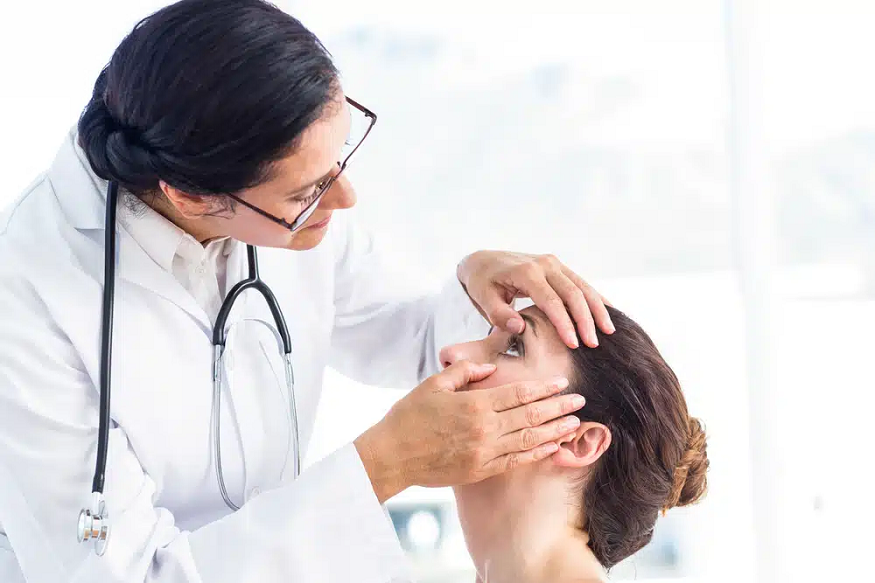
Discovering the Importance of Comprehensive Eye Exams
Beyond the Basics: What Your Eye Exam Reveals
A comprehensive eye exam is far more than just reading letters on a chart. It serves as a vital health assessment that can reveal a wide array of systemic conditions, from high blood pressure to diabetes. Programs like Premier Vision provide access to these essential eye exams, ensuring that an optometrist or ophthalmologist evaluates not only your vision but also your overall eye health. Using specialized equipment, they examine the internal structures of the eyes, analyzing the cornea, retina, and optic nerve, each playing a critical role in how we perceive the world around us. Issues detected during this evaluation may indicate early signs of significant health conditions, allowing for timely intervention that could potentially save your sight or enhance your overall health. Beyond the initial sight tests, doctors perform several additional assessments. For instance, dilation of the pupils allows for an unobstructed view of the retina, while tonometry measures the pressure inside the eye, a key indicator of glaucoma. Thus, a comprehensive eye exam through Premier Vision not only helps maintain optimal eyesight but also functions as a preventative health measure, giving you a clearer picture of your entire well-being.
Frequency Matters: How Often Should You Get Your Eyes Checked?
Determining the frequency of eye exams is essential for maintaining optimal visual and overall health. For individuals under 40 with no vision complaints or risk factors, a comprehensive exam every two years may suffice. However, as we age, the recommendation changes; adults aged 40 to 54 should consider exams every two years, while those aged 55 plus should undergo annual checks. Additionally, individuals with risk factors such as diabetes, high blood pressure, or a family history of eye diseases are encouraged to schedule exams more frequently. Even children should receive their first eye exams at six months, followed by checks at ages three and five, and then yearly as they enter school. This proactive approach not only aids in preserving visual acuity but also helps catch any early signs of condition development before they become severe. In today’s digital age, where screen time is at an all-time high, regular eye exams are also crucial for managing eye strain and preventing long-term damage from prolonged exposure.
Read More: All About Childhood Myopia
The Role of Technology: Innovations in Eye Exam Procedures
As technology continues to advance, so does the field of eye care, ushering in a new era of diagnostic procedures that enhance the efficiency, accuracy, and comfort of eye exams. One such innovation is optical coherence tomography (OCT), a non-invasive imaging test that provides high-resolution, cross-sectional images of the retina. This technology allows eye care professionals to identify subtle changes that could signify eye conditions long before they become symptomatic. Another exciting development is the use of artificial intelligence in detecting ocular diseases. AI algorithms can analyze eye scans, flagging abnormalities with incredible accuracy, thus enabling quicker diagnosis and treatment plans tailored to the individual’s needs. Additionally, automated refraction devices are streamlining the process of determining prescription eyewear by using advanced algorithms to provide precise measurements quickly. These innovations not only improve patient outcomes but also enhance the overall experience by reducing the number of visits required for optimal care. With these advancements, the future of vision care looks increasingly promising.
Understanding Common Eye Conditions and Their Treatments
The Silent Threat: Glaucoma and Its Impact on Vision
Glaucoma is often referred to as the “silent thief of sight” because it can develop unnoticed until severe damage has occurred. This group of eye diseases leads to vision loss and even blindness due to damage to the optic nerve, often associated with elevated intraocular pressure. The two most common types are open-angle and angle-closure glaucoma. Open-angle glaucoma progresses slowly, with symptoms that can be hard to detect, while angle-closure glaucoma can present suddenly with acute symptoms like severe headache, blurred vision, and nausea. Early detection through regular eye exams is crucial; treatments range from prescription eye drops designed to reduce intraocular pressure to laser treatment or surgery in more advanced cases. With ongoing research into neuroprotection strategies, there’s hope on the horizon for developing treatments that not only manage pressure but also directly protect the optic nerve, ultimately preserving vision for those at risk.
Read More: Understanding Behavior Health / Addiction: Pathways to Recovery and Wellness
Age-Related Macular Degeneration: What You Need to Know
Age-related macular degeneration (AMD) is a leading cause of vision loss in older adults, characterized by the deterioration of the central portion of the retina, known as the macula. There are two forms of AMD: dry and wet. Dry AMD, the more common type, progresses gradually, leading to a gradual loss of central vision. In contrast, wet AMD can occur suddenly and is caused by the growth of abnormal blood vessels beneath the retina, leading to more severe vision deficits. Early signs may include the distortion of straight lines and difficulty seeing in low light. While there is currently no cure for AMD, certain lifestyle modifications such as a diet rich in leafy greens and fatty fish can help slow its progression. For wet AMD, treatments like anti-VEGF injections can considerably improve vision by targeting the abnormal blood vessel growth. Regular eye exams, particularly for individuals over 50, are essential for early detection and timely intervention.
Diabetic Retinopathy: Managing Eye Health with Diabetes
Diabetic retinopathy is a severe complication of diabetes that can lead to vision loss if not managed appropriately. It occurs when high blood sugar levels damage the blood vessels in the retina, causing them to leak or bleed. There are usually no symptoms in the early stages; however, as the disease progresses, individuals may experience blurry vision, floaters, and, in severe cases, complete vision loss. Regular monitoring of blood sugar levels and blood pressure, combined with a comprehensive eye exam at least once a year, can help catch this condition in its early stages. Treatment options vary based on the severity and may include laser treatments to reduce swelling, intravitreal injections to improve blood vessel health, or vitrectomy for advanced cases. The focus on maintaining stable blood sugar levels through a healthy diet, regular exercise, and possibly medication is integral to managing diabetes and preventing retinopathy.
Choosing the Right Eyewear: Style Meets Functionality
Fashion Forward: Trends in Eyewear for Every Face
The world of eyewear has evolved significantly, transforming from purely functional items into fashionable accessories. Today’s eyewear trends reflect individuality, with an array of styles from oversized frames to geometric shapes dominating the market. Eco-friendly materials and sustainable manufacturing processes have also emerged as significant trends, appealing to conscious consumers. Bold colors and unique patterns allow individuals to express their personality, while classic designs maintain timeless appeal. It’s crucial to choose eyewear that complements your face shape; for example, round frames can soften angular features, while square frames can balance rounder face shapes. Moreover, specialized eyewear for specific activities, such as sports sunglasses or blue light-blocking glasses, ensures not only style but also optimal visual performance in various environments. Investing in a pair of chic, well-fitted glasses not only enhances your appearance but can also significantly improve your visual clarity.
Contact Lenses vs. Glasses: Making the Right Choice for You
When it comes to corrective eyewear, the debate between contact lenses and glasses is an ongoing one, with both options offering distinct advantages. Glasses are often considered the easier choice; they’re straightforward to maintain, require no physical contact with the eye, and can be a stylish addition to your wardrobe. However, they can fog up, limit peripheral vision, or obstruct during physical activities. On the other hand, contact lenses offer a wider field of vision without distortion and can be more suitable for active lifestyles, but they require meticulous care and hygiene to prevent infections. Additionally, contact lenses can be prescribed for various conditions, including astigmatism and presbyopia, utilizing advanced designs like multifocal lenses. Ultimately, the decision should consider lifestyle, comfort, and vision correction needs, with many opting for a combination of both, adjusting their choice based on specific scenarios.
Protective Eyewear: The Unsung Hero in Eye Care
While regular corrective eyewear is crucial for vision correction, protective eyewear plays an equally vital role in safeguarding your eyes from potential harm. Whether at home, work, or during recreational activities, protective glasses are specifically designed to shield the eyes from injuries caused by debris, chemicals, or harmful UV rays. This category encompasses safety goggles, sunglasses, and blue light-blocking glasses, each serving specific needs. For instance, OSHA and ANSI-certified safety glasses are essential in industrial settings to prevent injuries. Meanwhile, high-quality sunglasses protect against UV damage, which can lead to cataracts over time. With the ever-growing use of digital devices, blue light-blocking glasses have gained popularity for their potential to reduce digital eye strain. Investing in protective eyewear is a proactive measure that can prevent long-term visual issues.
The Connection Between Eye Health and Overall Wellbeing
Nutrition for Your Eyes: Foods That Promote Vision Health
The adage “you are what you eat” applies strikingly true when it comes to our eyes and overall health. A nutrient-rich diet can work wonders in safeguarding vision. Foods high in antioxidants, such as leafy greens (spinach, kale) and colorful vegetables (carrots, bell peppers), contain lutein and zeaxanthin, which protect the retina from harmful light. Omega-3 fatty acids, found in fish like salmon and flaxseeds, are integral to eye health, reducing the risk of dry eye syndrome and age-related macular degeneration. Additionally, nuts and seeds provide vitamin E, which helps shield cells from oxidative stress. Incorporating a variety of these foods into your daily meals encourages not just good eye health but overall vitality. Adequate hydration is equally critical, as staying well-hydrated aids in maintaining optimal tear production, crucial for keeping your eyes comfortable.
The Impact of Screen Time: Healthy Habits for Digital Users
With the digital age upon us, screen time has surged, and consequently, so have concerns regarding eye strain, commonly known as computer vision syndrome. Symptoms can range from dryness and irritation to blurred vision and headaches. One of the most effective strategies to combat this issue is the 20-20-20 rule: every 20 minutes, take a 20-second break to look at something 20 feet away. This exercise allows the eye muscles to relax, reducing strain. Additionally, ensuring proper lighting and screen positioning can minimize glare and discomfort. Blue light filters, available in both software and lens options, have also become increasingly popular for mitigating the disruptive effects of prolonged screen exposure. It’s vital to create a balanced digital routine that incorporates breaks and eye-healthy habits to ensure long-term eye safety amidst our tech-heavy world.
Stress and Your Eyes: Understanding the Link to Eye Strain
Stress is an omnipresent aspect of modern life, and its effects extend beyond the mind, manifesting physically, including in the eyes. Stress can lead to muscle tension which may cause discomfort, resulting in symptoms such as eye fatigue and strain. This is often exacerbated by prolonged screen time and inadequate breaks. On a physiological level, stress can affect blood flow and the body’s ability to regulate hormones, including those that impact vision health. Understanding this connection underscores the importance of stress management techniques such as mindfulness, yoga, and adequate sleep in maintaining overall eye health. Regular eye exams to monitor any potential damage from stress-related strain are equally crucial. By focusing on wellness holistically, we can alleviate the burdens on our eyes that come along with our busy lives, ensuring they remain healthy and vibrant.